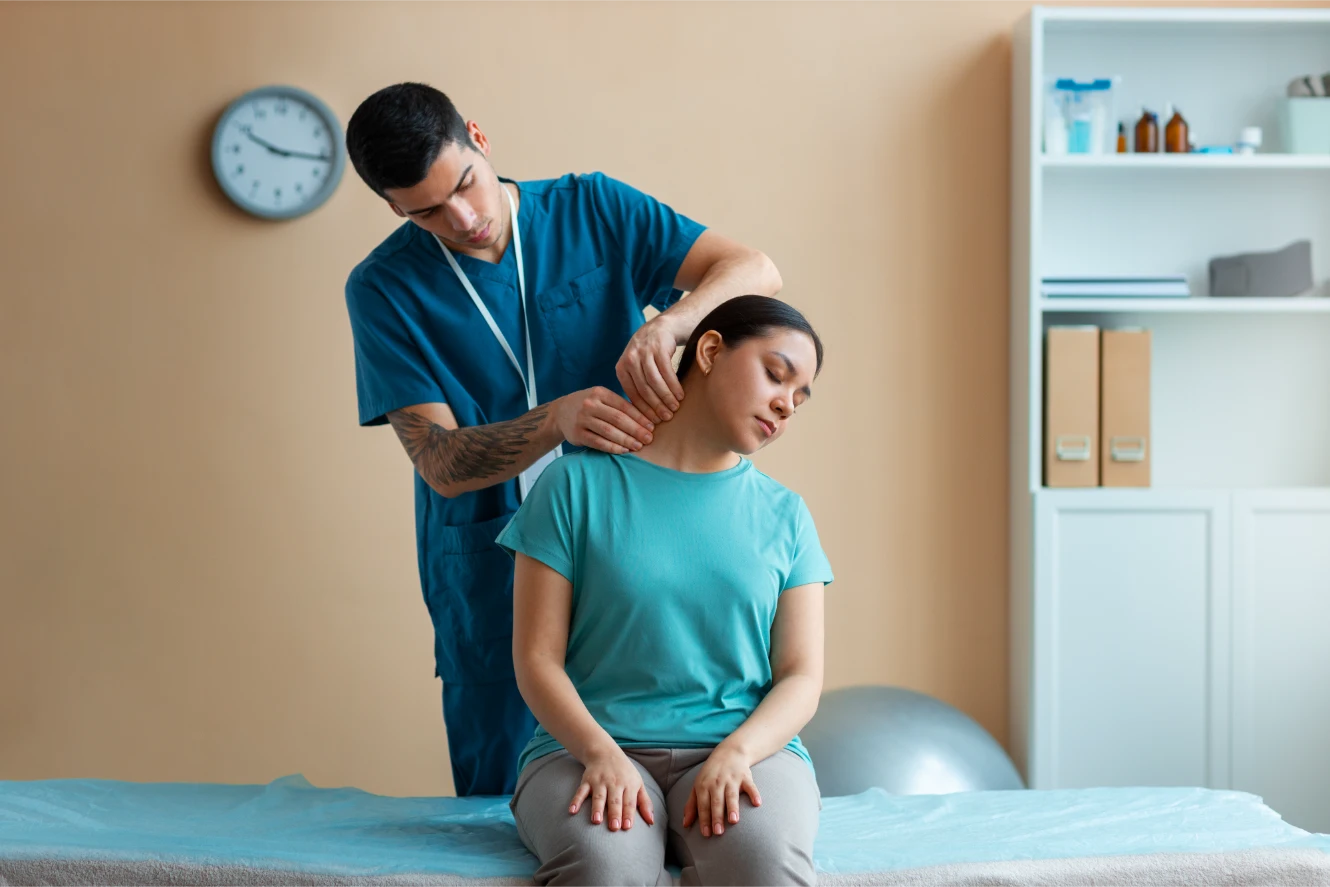
A herniated disc can sound alarming. Many patients hear the words "disc herniation" and immediately assume that surgery is the next step. In reality, the MRI is only one part of the story. Symptoms, neurological findings, movement patterns, function, and how the patient responds to conservative care all matter.
At Infinite Healing Center in Mesa, our goal is not simply to chase an image or temporarily cover up pain. We look at the patient as a whole: what is irritated, what mechanical problem may be keeping the area stressed, what movements are limited, and what needs to improve so the patient can get back to normal life.
Pain control can be useful, especially when symptoms are severe. Medication, injections, rest, or other short-term measures may reduce irritation. The problem is when symptom relief becomes the entire strategy.
If the underlying mechanical problem is still present, the same tissues may continue to be overloaded. That can create a cycle of flare-ups, temporary relief, and repeated treatment without meaningful improvement in movement or function.
For many patients, a better conservative plan is layered: reduce irritation, improve mechanics, restore motion, rebuild stability, and then reinforce the gains with active care.
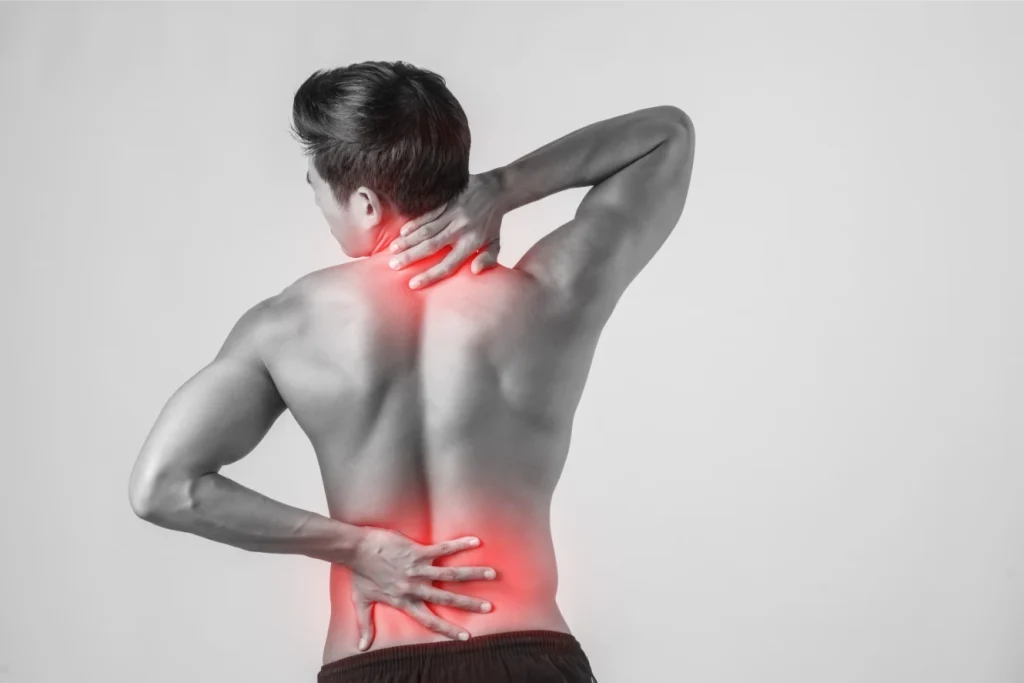
The patients who tend to do best are usually the patients who accept some responsibility for their recovery. That does not mean pushing through severe symptoms or trying to "fix" a disc alone. It means participating in the plan.
A passive plan can only go so far. If movement is restricted, stability is poor, or the body has adapted around pain, recovery usually requires more than lying on a table. The long-term goal is to help the patient move better and become more confident using the spine again.
That may include supervised rehabilitation, mobility work, progressive strengthening, appropriate chiropractic care, home exercises, and changes in the activities that repeatedly aggravate the condition.
Early care should calm the irritated area enough for the patient to move and participate in recovery. The exact approach depends on the examination, symptom severity, and whether nerve irritation is present. The purpose is not simply to make pain disappear for a few hours; it is to create an opportunity for better movement and healing.
A disc problem often changes how a person bends, sits, stands, walks, lifts, or sleeps. Conservative care should identify the movements that aggravate symptoms and the positions that reduce them. Treatment is then directed toward improving joint mechanics, restoring useful motion, and reducing repeated stress on the painful area.
Once symptoms begin to settle, active rehabilitation becomes increasingly important. The spine needs support from coordinated muscles and confident movement. A patient who gradually rebuilds control and follows the home plan is usually in a better position to keep the improvement than a patient who relies only on passive treatment.
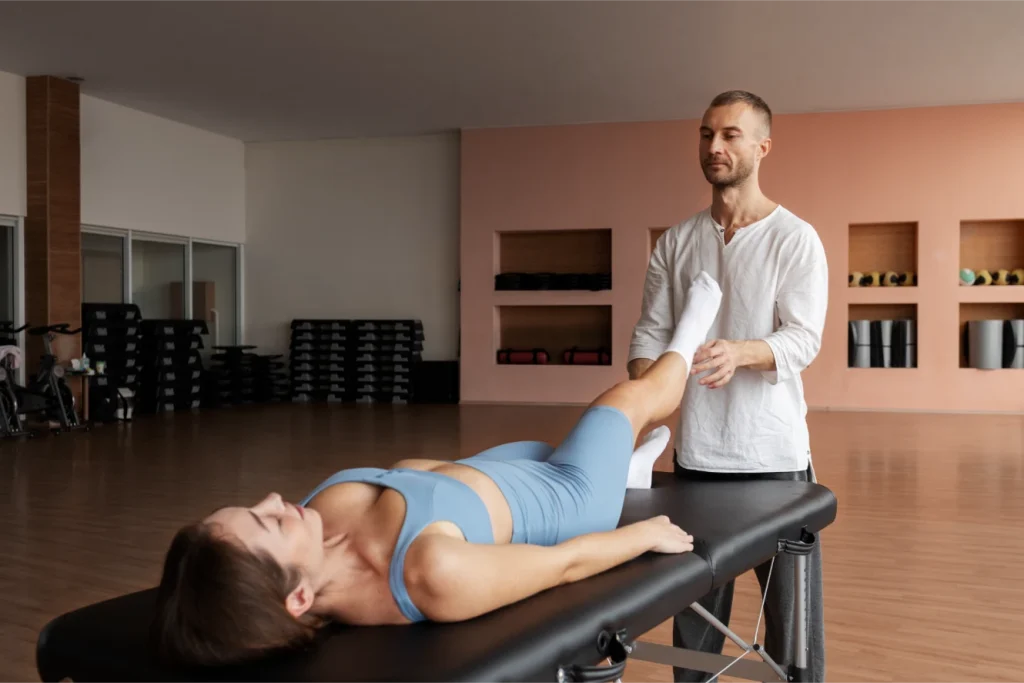
Non-surgical spinal decompression may be considered for selected patients with disc-related pain. We are especially interested in the clinical picture: a contained disc, symptoms that behave mechanically, and a patient who feels better in a non-weight-bearing or unloaded position can be clues that decompression may be worth considering.
Spinal decompression is not appropriate for every back-pain patient, and it should not be treated as a standalone answer. When it is used, it works best as part of a broader plan that addresses inflammation, movement, stability, and the patient's functional goals.
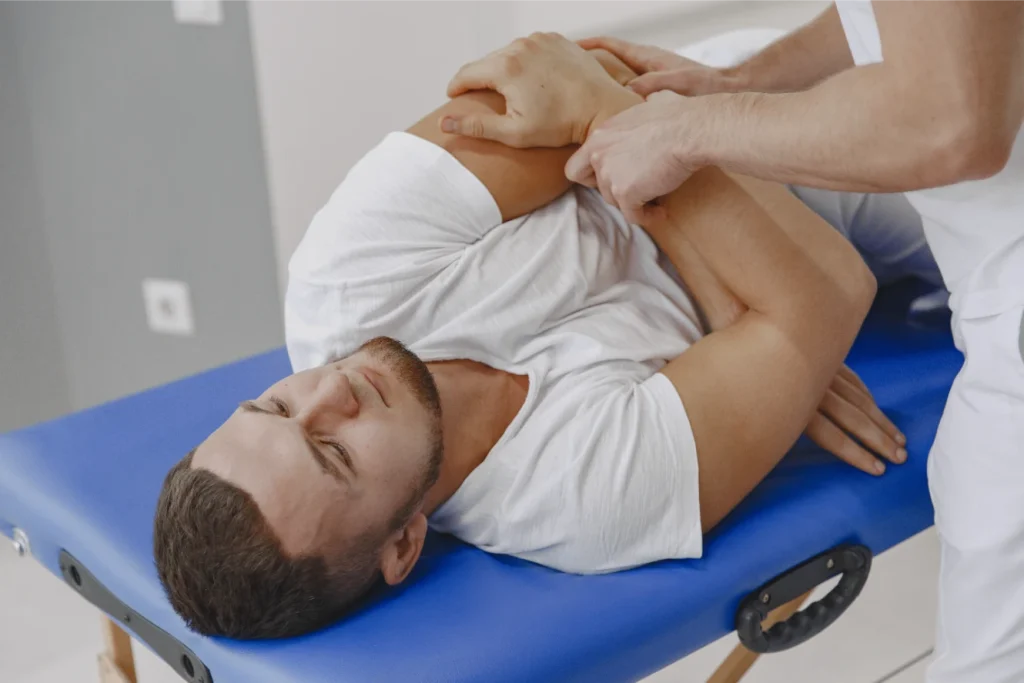
MRI findings matter, but they do not automatically determine the treatment plan. Some people have significant disc findings with relatively little pain, while others have intense symptoms from a smaller-looking injury.
Many disc herniations can decrease in size over time, and many patients improve without surgery. In the absence of progressive neurological loss, conservative care is often a reasonable first approach. The examination should drive the plan, with imaging used to add important information rather than replace clinical judgment.
The goal is not simply a better MRI or a lower pain number. A successful outcome means the patient can return to the life that matters to them — walking farther, sleeping through the night, hiking again, lifting safely, working without constant guarding, or playing with children or grandchildren without thinking about the back every few minutes. Those functional goals should guide the recovery plan.
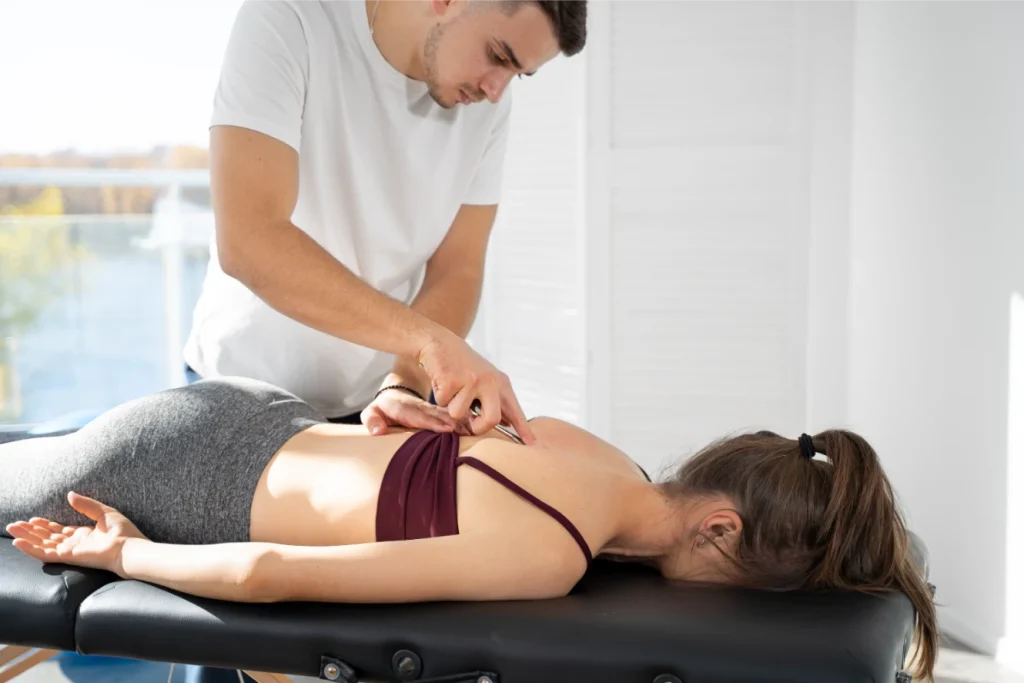
Most patients deserve a careful conservative evaluation before assuming that surgery is inevitable. The decision depends on the complete clinical picture, not on a single phrase in an MRI report.
Prompt medical reassessment is important when there is new or progressive weakness, significant loss of sensation, worsening problems with balance or coordination, bowel or bladder changes, saddle-area numbness, or other concerning neurological changes. These findings can change the urgency and type of care that is appropriate.
For patients without those red flags, a structured conservative plan can provide an opportunity to reduce symptoms, improve mechanics, rebuild function, and protect as much normal anatomy as possible.
Yes. Many people with disc herniations improve with time and appropriate conservative care. Symptoms can decrease as inflammation settles, mechanics improve, and the body adapts. Some herniations also decrease in size over time. Surgery may still be necessary in selected cases, especially when significant or progressive neurological deficits are present.
It may help selected patients. We look for a compatible clinical pattern, including disc-related symptoms that improve with unloading or non-weight-bearing positions and no contraindication to decompression. It should be used as part of a broader treatment plan rather than as an isolated procedure.
The MRI alone does not answer that question. Progressive weakness, meaningful sensory loss, worsening neurological function, or bowel/bladder and saddle-area symptoms require prompt medical evaluation. In many other cases, conservative care is considered before surgery.
Usually, movement is part of recovery, but the type and intensity matter. The safest plan is based on the examination and on which movements improve or worsen symptoms. Early exercises may be simple and controlled, with progression as irritation decreases and function returns.
A bulging disc generally refers to a broader extension of the disc beyond its usual boundary. A herniated disc is typically more focal, with disc material extending through or beyond the outer fibers. Either finding can be symptomatic or incidental, which is why the patient's examination and symptoms are important.
If you are dealing with back pain, sciatica, or a herniated disc and want to understand your non-surgical options, schedule an evaluation at Infinite Healing Center in Mesa. We will review your symptoms, examination findings, function, and imaging when appropriate, then discuss the conservative options that make sense for your case.
Request an Appointment